

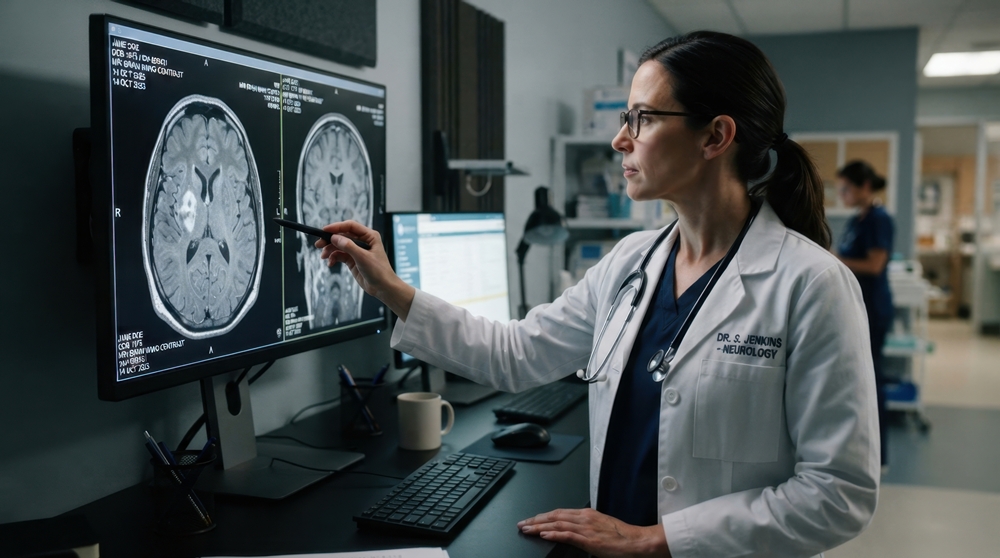





Study reveals how exercise can improve MS symptoms
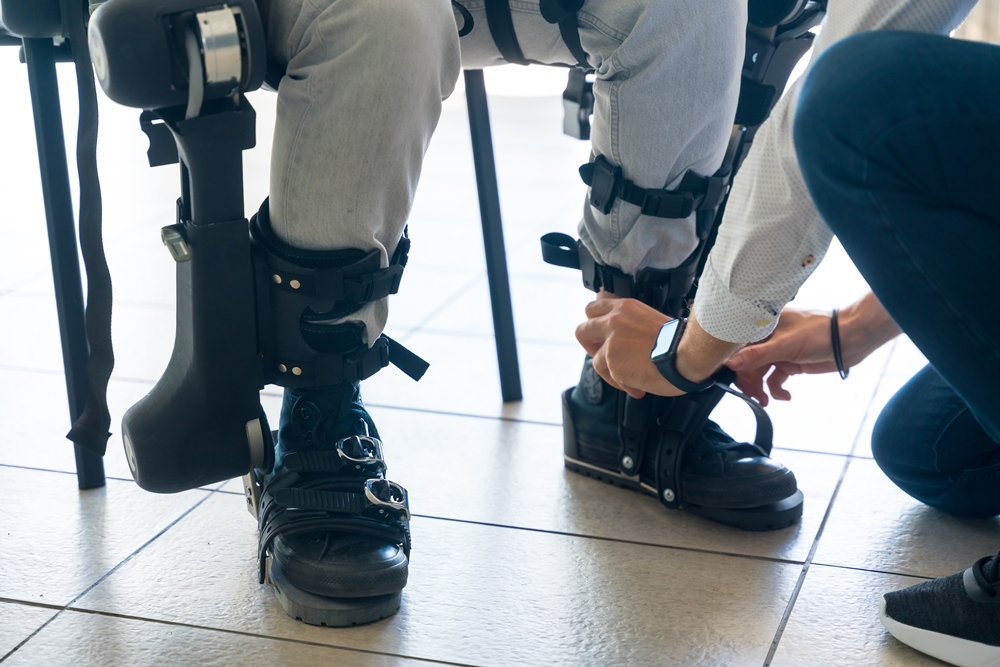
Injectable nanobots repair spinal cord, study finds
Queen opens St George’s hospital balcony garden
Too many Parkinson’s patients missing critical medication in overcrowded A&Es, RCEM warns
Heading football just once increases brain injury risk, study suggests
NR Times Awards to spotlight leading case management firms
Study sheds light on relationship between opioids and suicidal ideation in SCI survivors
Study aims to improve outcomes for athletes with spinal injuries
Awards to celebrate leading brain and spinal law firms
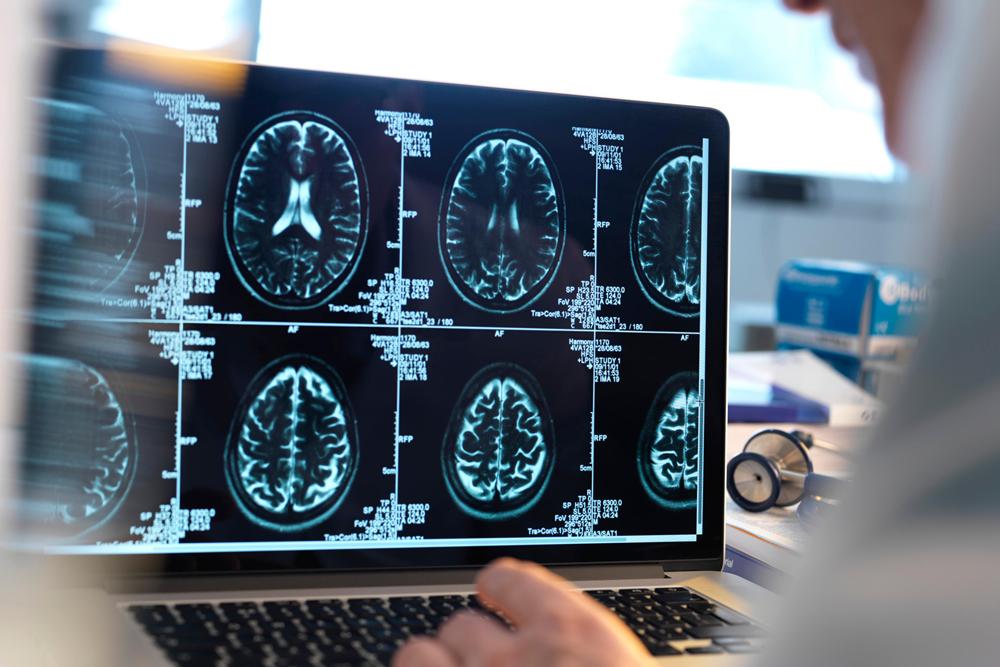
Real-time brain monitor detects infections earlier
Brain injury, capacity and the growing role of the Court of Protection
ICE hockey star’s brain donated to CTE research
Singer embraces AI to continue career after Parkinson’s diagnosis
Microplastics may increase stroke risk, study suggests
Study reveals long term impact of childhood TBI
New award to celebrate kindness in brain injury care
MS drug slows disability progression, study shows
Vermont bans herbicide over potential Parkinson’s link
Cygnet legal team celebrates dual shortlisting at The Lawyer Awards 2026
Creating a caring and respectful workplace culture
The charity putting cauda equina support in patients’ pockets
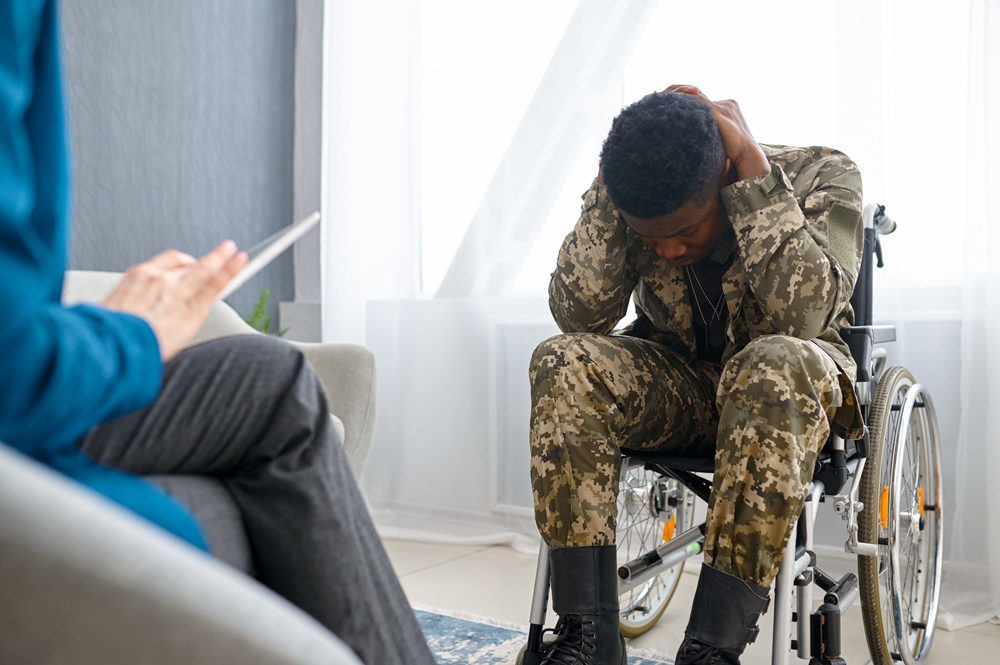
Psychedelics may support long-term PTSD recovery
Specialist Nursing Conference 2026: Excellence. Innovation. Leadership
Brainkind appoints Chris Askew OBE as interim CEO
Study reveals ethical risks of using AI for mental health
AI innovation, music and the mind: What’s new?
Ebrains roadmap submission deadline extended
Study to explore VR for safe fall recovery
Severe CTE clearly linked to dementia, study finds
Brain may learn seizures during sleep, study finds
CPotential extends partnership with Slater and Gordon
How brain injury case managers support their clients
Hospital to pilot test that ‘will save lives’
Cheshire tractor run raises £2300 for Stroke Association
Researchers develop ‘breakthrough’ nasay spray for stroke
Study reveals why lacunar stroke not as responsive to medication
‘Irreversible’ spinal cord damage may be reversed, research suggests
VR could boost recovery for brain and spinal patients, research shows