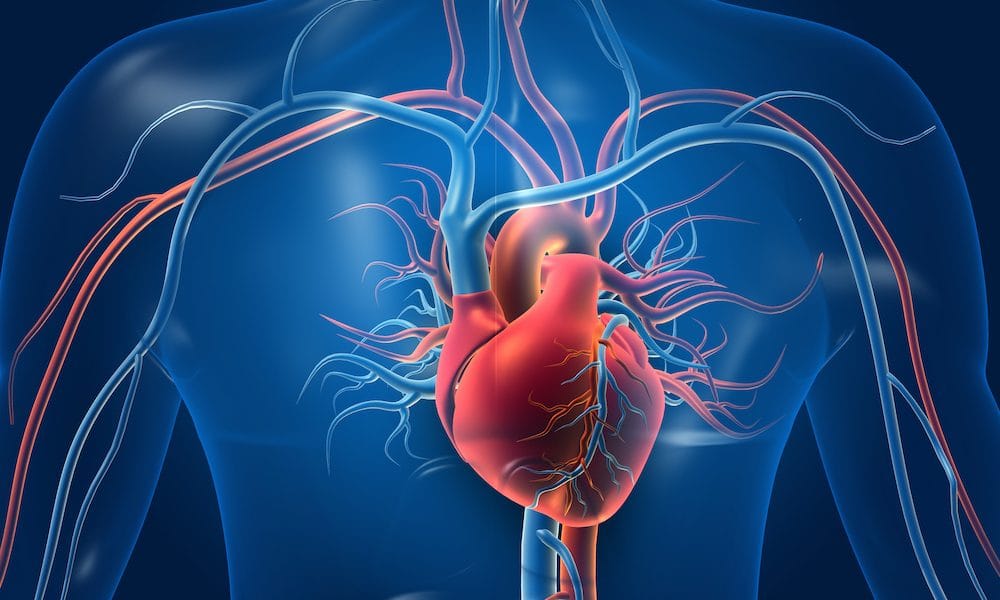
Heart disease can directly cause brain dysfunction which could lead to dementia and can treble the amount of an Alzheimer’s protein in the brain, say scientists.
The new research has found that heart disease causes a breakdown of a key brain function which links brain activity and blood flow, meaning the brain gets less blood for the same amount of activity.
This is happening in heart disease patients before the build up of fat in the brain’s blood vessels (atherosclerosis) and is a prelude to dementia.
Until now, it has been unclear how some forms of vascular dementia can happen years before atherosclerosis in the brain.
The University of Sheffield researchers also discovered that the combination of heart disease and a genetic predisposition for Alzheimer’s disease trebles the amount of beta-amyloid, a protein that builds up and triggers Alzheimer’s, and increases the levels of an inflammatory gene (IL1) in the brain.

Alzheimer’s Disease is the most common form of dementia worldwide and heart disease is a major risk factor for both Alzheimer’s and dementia.
The new findings are key to furthering understanding of the links between heart disease and dementia.
“We’ve discovered that heart disease in midlife causes the breakdown of neurovascular coupling, an important mechanism in our brains which controls the amount of blood supplied to our neurons,” said Dr Osman Shabir, lead author of the study from the University of Sheffield’s Neuroscience and Healthy Lifespan Institutes.
The team have since been awarded a three-year grant by the British Heart Foundation to look at the use of an arthritis drug which targets IL1 to see if it could reverse or reduce the brain dysfunction seen to be caused by heart disease.
The team also found that brain injuries can also worsen brain blood flow regulation, supporting observations that patients’ symptoms often worsen after injuries or falls.