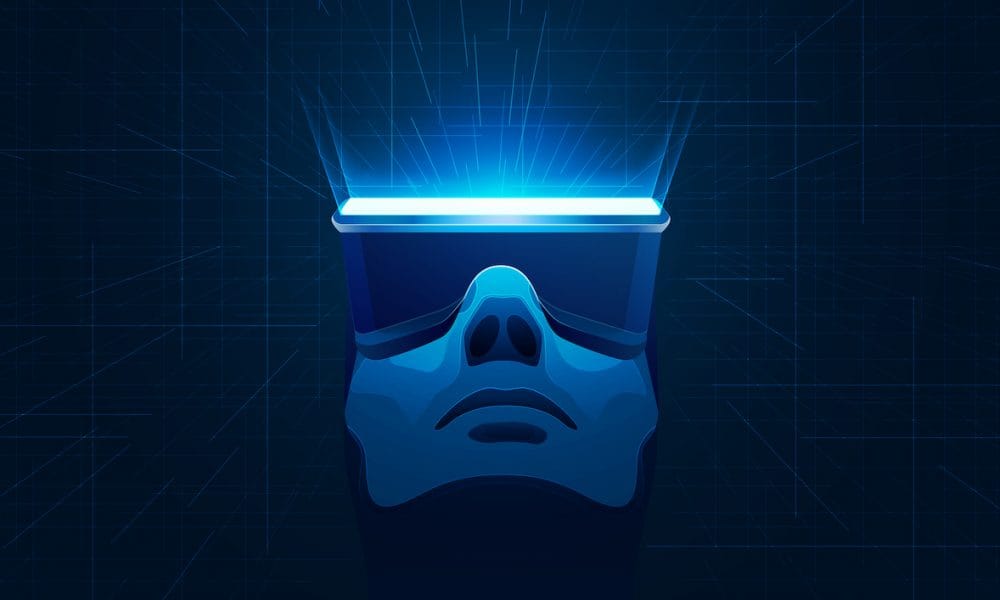
A new VR platform for brain injury rehabilitation has been created by a team of medical professionals, whose commitment to the use of technology in rehab is helping to advance thinking in the area nationally.
Brain Recovery Zone provides the resources for brain injury survivors to support their own recovery from an early stage, and increase their capability to manage fatigue, improve speech and mood and stabilise their emotions from their own home.
The platform offers a safe virtual space for people to practice the habits that aid recovery in an immersive environment, of which there are 11 to choose from, ranging from the Northern Lights to the Hundred Acre Wood of Winnie the Pooh fame. Mindfulness and meditation experiences are also offered.
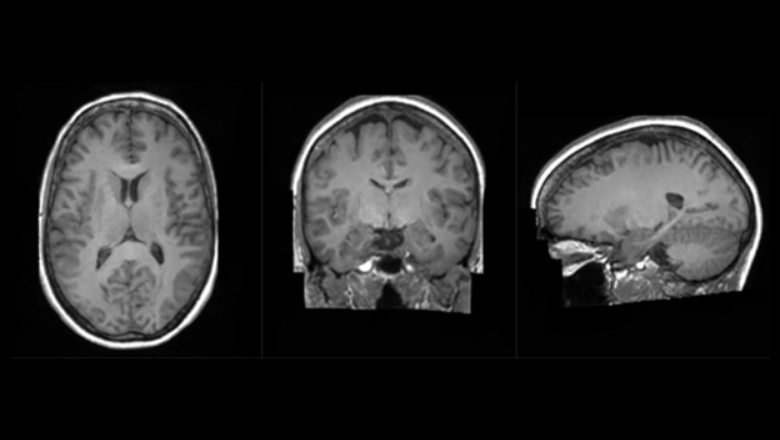
And alongside the relaxation opportunity, Brain Recovery Zone also provides education through animation, taking survivors on journeys through the brain to explain brain injury and stroke so they can better understand what has happened to them.
Brain Recovery Zone has been developed by Dr Abeyomi Salawu, a rehabilitation medicine consultant, and consultant clinical neuropsychologist Dr Katherine Dawson, with support from colleagues in speech and language therapy, occupational therapy and clinical psychology.
Dr Salawu and Dr Dawson are both dedicated to the use of technology-led rehabilitation, having seen significant benefits during its use with clients, and believe Brain Recovery Zone has the potential to become the leading platform in brain injury rehabilitation.

“Brain Recovery Zone has been created to help give motivation for the practise and habit-building that is so crucial to recovery and our ultimate aim is to keep people engaged and practicing their rehab,” says Dr Dawson.
“Virtual Reality can be of real benefit to neurorehabilitation with its immersive and engaging environment that mitigates some of the difficulties experienced during recovery. We are really excited about this avenue of treatment and look forward to seeing its potential to impact more people.
“Whilst I think we can all feel a bit invaded by technology at times, there are great benefits in terms of its ability to help us track and monitor our behaviour. Technology can also provide an element of gamification which can help with achieving small goals, which is often then linked to a feeling of success.
 “What we see in rehab is if people try things and succeed, they’re more motivated to try them again and this can often lead to an increase in confidence and a growth in someone’s comfort zone – all crucial when adjusting to a new way of life.”
The creation of Brain Recovery Zone stemmed from a conversation in the summer of 2019 between Dr Dawson and Dr Salawu about at-home rehab, when they realised the power VR could have in enabling better engagement.
“Over the years, I have developed a specific interest in how to support individuals and their families with managing emotional and behavioural changes following injury. I had seen that changes in thinking, and the ability to keep a lid on emotions and behaviour, whilst hidden, can have a major impact on all sorts of areas of someone’s life,” says Dr Dawson.
“One day, Yomi and I were sat together in his office talking about how to manage some of the challenges of supporting individuals with brain injury at home. I had just started some research in the NHS into telerehabilitation and ABI, and we were discussing the great potential in linking technology and rehab. Yomi is a great believer in the power of VR in rehab and has been for a long time.
“We were talking about a particular client, and I remember saying to Yomi: ‘I wish there was a way I could put a bubble around  him so that he can properly switch off to the outside world and actually get some rest.
“Yomi replied: ’Well, what about using virtual reality to create that bubble?’. He then introduced me to the VR headset and I fell in love with the immersive impact. And from there came Brain Recovery Zone.”
The platform is currently being used by clients of Dr Dawson and Dr Salawu ahead of its impending wider launch and feedback continues to be very positive.
“A lot of clients do struggle after brain injury with their environment, but with VR the environment is built around them and it takes away the barriers,” says Dr Dawson.
“I have one client who is partially blind and has a lot of anger issues and for him it was a very emotional experience when he put the headset on. He said ‘I never thought I’d experience anything like that’ and he was crying, his mum was crying, it was really so lovely.
“We’re very excited about being able to share Brain Recovery Zone more widely and being able to introduce many others to the effect of VR in enabling recovery.”